
Vasectomy Services

Your Choice, Your Control: Vasectomy Services Now at Your Fingertips
“Vasectomy is a popular method of contraception for men. Statistics show that around one in four Australian men over 40 has opted for this procedure.”
How Does it Work?
-
Before a vasectomy, you will need to have an initial consultation with your healthcare provider. You should be certain that you don’t want any children or any more children.
It’s important to recognise that a vasectomy is a permanent method of contraception, even though there is a procedure available for reversal, its success is not guaranteed.
During this visit, this appointment, the vasectomy process will be detailed, and an assessment will be conducted to ensure that the procedure can be safely carried out under local anesthesia.
We’ll address any inquiries you might have to ensure that the procedure aligns with your needs and circumstances.
-
Dr Chaudhry performs the non-scalpel vasectomy.
It is a minimally invasive procedure. This technique reduces bleeding, lowers the risk of infection, and leads to faster recovery times.
The procedure doesn’t require stitches and is typically completed within thirty minutes. The procedure is performed under local anesthesia.
This procedure reduces complications and discomfort, making it a preferred choice for many patients and healthcare providers.
-
Following a vasectomy, you can expect mild discomfort or soreness in the scrotum area for a few days, often accompanied by bruising and swelling, which typically diminish within one to two weeks. You’re advised to refrain from strenuous activities and heavy lifting during this time to facilitate healing.
Until a post-vasectomy semen analysis confirms the absence of sperm in your ejaculate, it’s essential to use alternative contraception methods. This clearance usually occurs after a few months and multiple ejaculations to eliminate any remaining sperm from the vas deferens.
Attending follow-up appointments scheduled by your healthcare provider is crucial to monitor healing progress and address any concerns. Once fully recovered, you can resume sexual activity as usual, free from the risk of pregnancy.
-
A semen analysis is typically conducted four months post-procedure. This test aims to ensure the absence of live sperm in the semen.
You should not stop using contraception until we have confirmed with you that your sperm count is zero.
You can help clear your sperm by ejaculating frequently starting a week after a vasectomy. Doing so can improve the likelihood of achieving a semen analysis that is free of sperm.
— FROM THE DOCTOR
In His Own Words
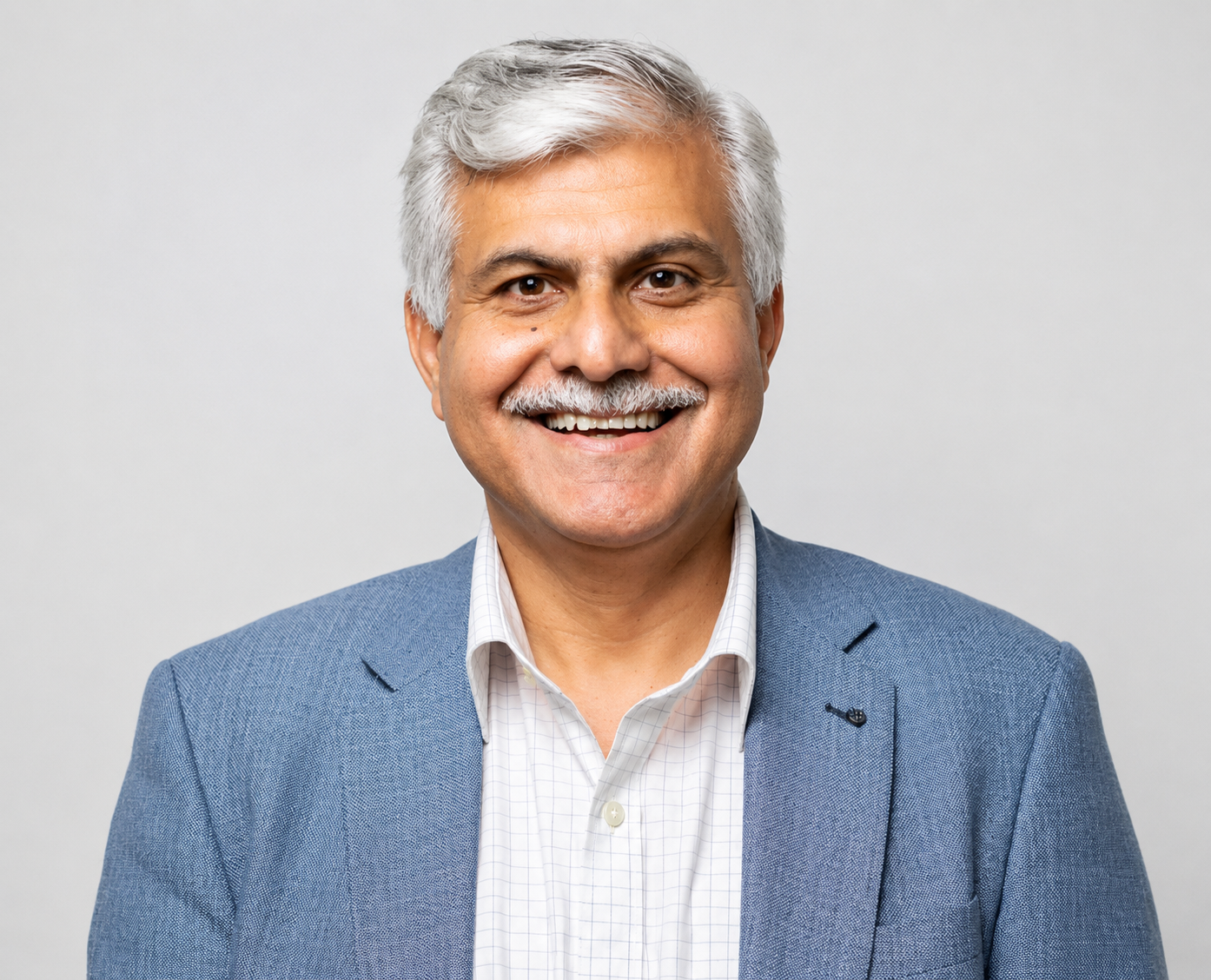
Dr Ahmed was featured in a published Q&A by HealthCert Education, sharing his personal journey into offering no-scalpel vasectomy in general practice. Here are some of his reflections.
What You Need to Know About Post-Procedure Care
After a brief rest following a local anaesthetic, you may leave the clinic. However, you’ll need to arrange for someone to pick you up or take a taxi. Expect some discomfort in the first few days, and occasional swelling may occur. It is advisable to rest at home for a few days before resuming work or exercise.
1
We also recommend avoiding strenuous exercise, heavy lifting, or driving long distances for 1-2 weeks to reduce swelling and discomfort.
2
It is recommended to wear tight-fitting underpants (bring them with you on the day of the procedure) and continue wearing them both day and night for about a week. The local anaesthetic will wear off approximately 1-2 hours after the procedure.
3
Experiencing some discomfort or mild pain is normal. You can take your usual painkillers, such as paracetamol or ibuprofen, at the regular dosages. You can reduce swelling and discomfort on the first day by applying an ice pack to the scrotum for 10-15 minutes.
4
Some swelling and bruising of the scrotum and testicles is normal. However, if you experience severe swelling within the first few hours after the procedure, you should contact the doctor who performed the procedure or your GP.
5
There are no stitches to remove; only a small cut that will heal on its own. Seek medical advice if the cut remains open, has a strong odor, or becomes inflamed.
6
Your Questions, Answered
-
A vasectomy is a surgical procedure that ensures permanent contraception by preventing sperm from exiting the body. This is achieved by closing off the ends of the vas deferens, the tubes responsible for carrying sperm. While vasectomy is a safe and reliable method for preventing pregnancy, it does not offer protection against sexually transmitted diseases.
-
A vasectomy procedure costs $670.00 (Medicare rebate $228.00)
-
No. You can book directly through us.
-
Yes. Information on our after-care services will be provided to you by your healthcare team.
-
There are two main types of vasectomy procedure: scalpel (or incision) vasectomy and no scalpel vasectomy.
The no scalpel (no-cut) techniques reduce the chance of infection and other issues, typically leading to faster healing times.
Vasectomies are meant to be permanent.
-
After a vasectomy, side effects may include:
bruising and lumps at the wound site
infection at the wound site
pain (usually just for a few days)
scarring at the wound site.
-
Legally, anyone over the age of 18 is allowed to have one; however, the appropriate age for a vasectomy depends on your unique circumstances and personal preferences. Hence, it’s important that you have a thorough discussion with a qualified vasectomy doctor, like Dr Chaudhry, to assess your suitability.
-
Yes, but reversal operations are expensive and not always successful.
Reversing a vasectomy can fail, even if the tubes are rejoined.
If you have any doubt, it’s advisable to consult with your doctor regarding alternative temporary birth control options.
More info: https://www.healthdirect.gov.au/surgery/reversing-a-vasectomy
-
This varies based on your job type. If you work in an office setting without heavy lifting or strenuous labor, you can typically resume work the next day if you’re feeling comfortable.
However, if your job requires heavy lifting or vigorous physical activity, it’s advisable to wait at least 48 hours before returning to work. After this period, if you’re free from pain and tenderness, you can gradually ease back into your work duties.
-
We advise abstaining from sexual activity, including ejaculation, for at least one to two weeks following your procedure. This waiting period serves two purposes.
Firstly, it allows ample time for your incision site to heal thoroughly, thereby minimising the risk of complications such as infection or discomfort.
Secondly, it’s important to note that your vasectomy does not provide immediate contraceptive efficacy. You will still require alternative birth control methods for up to three months or approximately 20-30 ejaculations post-procedure. This timeframe accounts for the necessary period for sperm to be cleared from your reproductive system.
-
You will know that the vasectomy procedure has been successful once a post-vasectomy semen analysis confirms the absence of sperm in your ejaculate.
This assessment typically takes place around two to three months post-procedure or after approximately 20-30 ejaculations. It’s crucial to maintain alternative contraception until your healthcare provider verifies the absence of sperm through the semen analysis.
-
Recovery time from a vasectomy can vary from person to person, but most individuals can expect to recover fully within a few days to a week.